

Forest Management
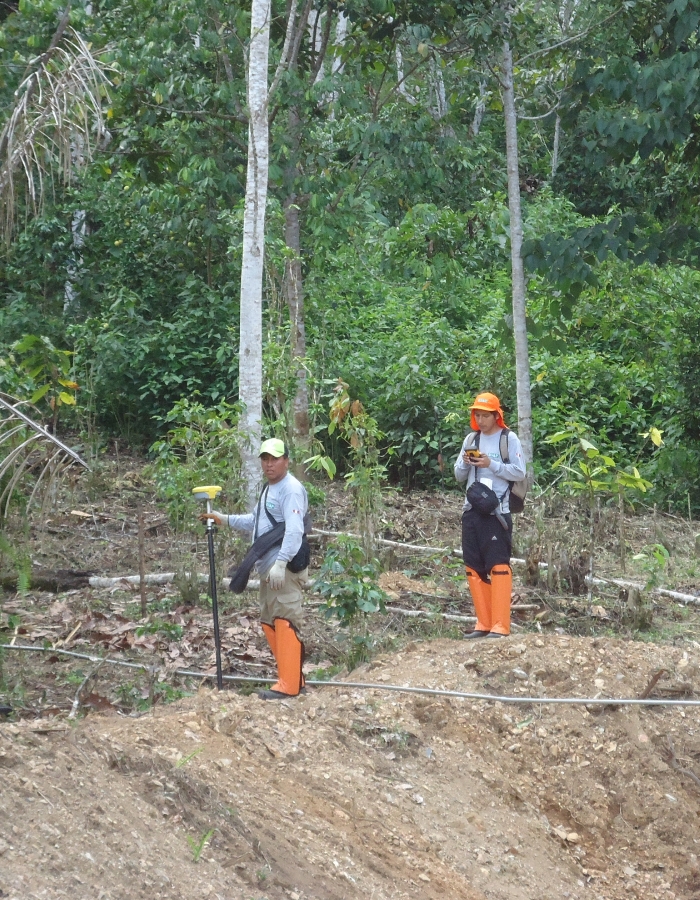
At N&P, we manage forest resources sustainably, aligning each project with current regulations and the environmental, economic, and social objectives of its setting.
DOWNLOAD THE BROCHURE
1. Forest Management Plans
Technical instrument that regulates the sustainable use of forest resources in a given area, establishing inventories, allowable harvest volumes, and regeneration measures, in accordance with Law No. 29763.
When is it required?
- To obtain forest-use permits or concessions from SERFOR or Regional Governments.
- For projects carried out in permanent production forests, usufruct land, or privately owned properties with forest cover.
- When the EIA requires evidence of sustainable management of the affected forest resources.
2. Reforestation and Revegetation Plans
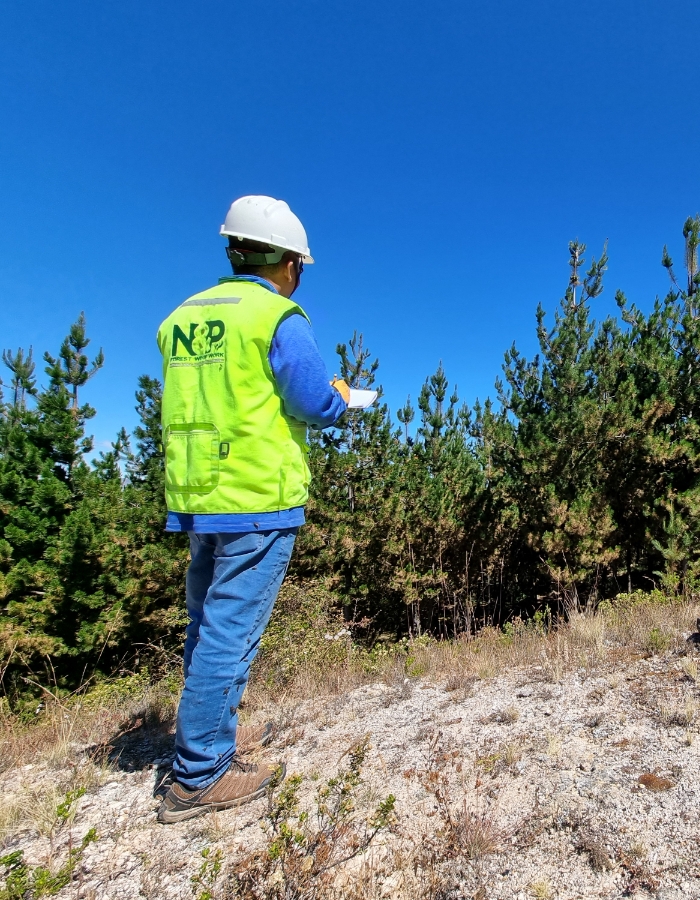
Technical document that defines species, methods, and a schedule to restore vegetation cover in degraded areas or areas affected by infrastructure projects or other human activities.
When is it required?
- As a restoration measure required in the EIA Environmental Management Plan for projects that cause loss of vegetation cover.
- At the closure of mining, energy, or infrastructure operations where it is necessary to restore the ecological conditions of the affected area.
- In ecosystem compensation processes that require evidence of the effective recovery of degraded ecosystems.
3. Forest-Clearing Plan and Supervision
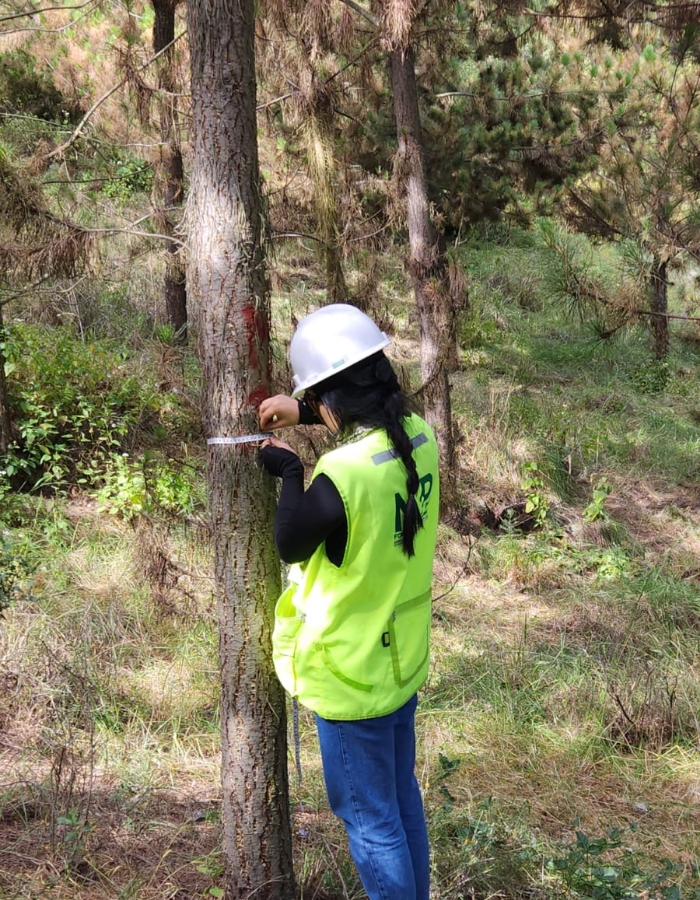
Technical-operational instrument that plans and oversees the authorized removal of forest cover, including area delineation, species inventory, felling and flora-and-fauna rescue protocols, in accordance with the authorization issued by SERFOR or the Regional Government.
When is it required?
- When a project requires forest clearing, after obtaining forest-clearing authorization from the competent forestry authority.
- During the construction phase, to ensure work remains within authorized limits and follows the protocols of the approved EIA.
- When the project owner must demonstrate to OEFA compliance with the environmental commitments associated with the authorized forest clearing.

4. Ecosystem Compensation Management
Design and implementation of measures to compensate for the net loss of ecosystems generated by a project, under the principle of no net loss of biodiversity, in accordance with MINAM regulations and IFC PS6.
When is it required?
- When the EIA identifies significant residual impacts on fragile ecosystems such as tropical forests, wetlands, or buffer zones.
- As a condition imposed by SENACE or the sector authority in the Environmental Certification Resolution.
- When international lenders or the project owner’s ESG commitments require evidence of verifiable compensation for biodiversity impacts that cannot be avoided or mitigated.