

Social Management
At N&P, we identify social risks early and engage with the communities’ environment to design engagement strategies that strengthen trust, prevent conflicts, and promote sustainable coexistence.
DOWNLOAD THE BROCHURE
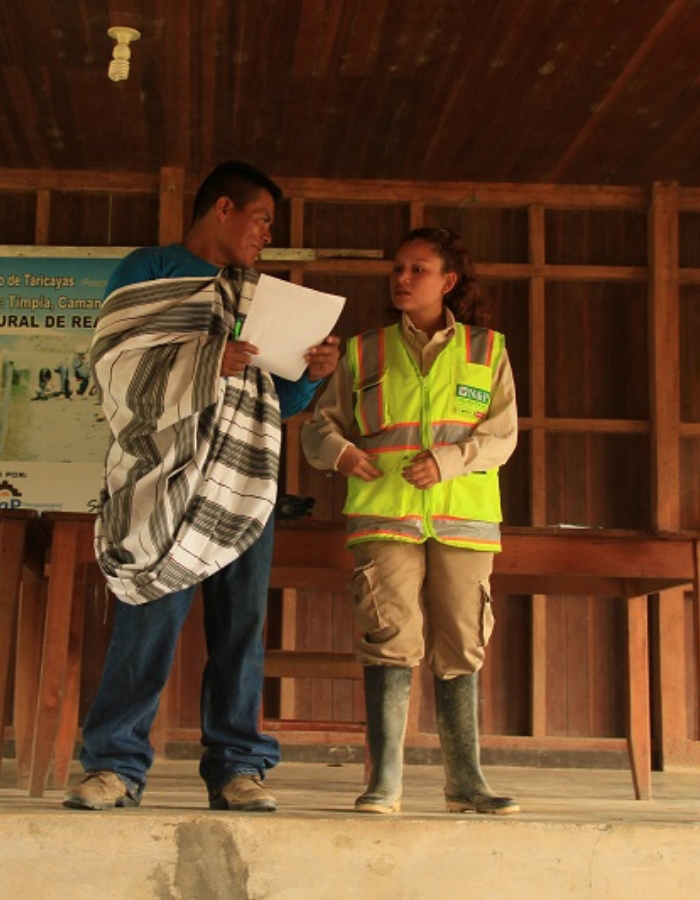
1. Socioeconomic Baseline Development and Stakeholder Mapping
Systematic collection of quantitative and qualitative information on the socioeconomic, demographic, cultural, and territorial conditions of the populations in the area of influence, including the identification and analysis of key social stakeholders and their power relations.
When is it required?
- In infrastructure, energy, mining, or hydrocarbon projects in territories with peasant, native, or vulnerable communities.
- As a requirement for an EIA or IGA before SENACE or other competent sectors.
- In land acquisition, involuntary resettlement, or compliance with international standards (IFC PS1, PS5, PS7).
2. Community Relations Plan
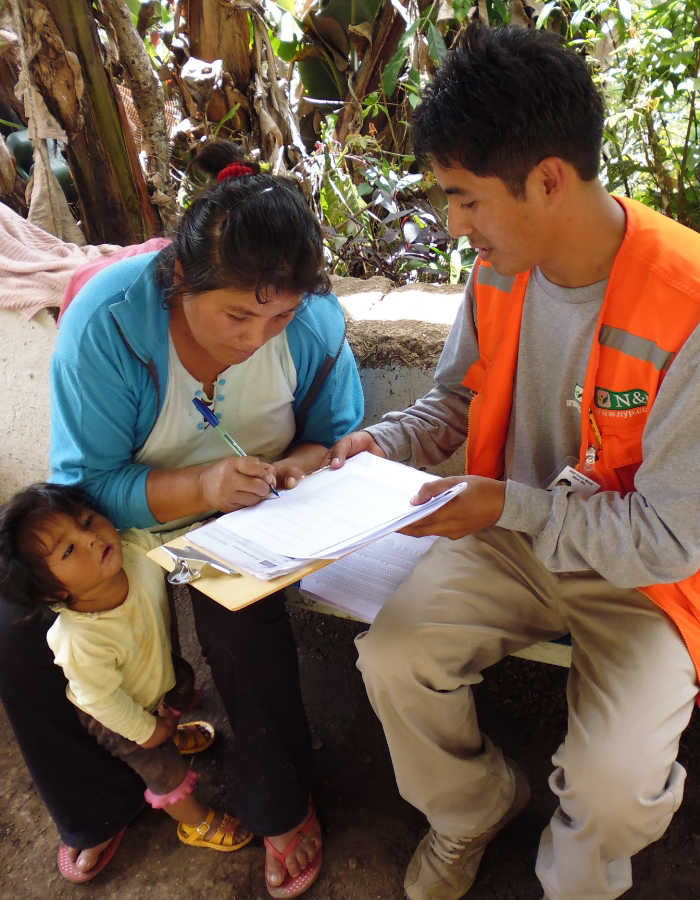
A social management document that defines strategies, participation mechanisms, communication channels, grievance redress protocols, and the project proponent’s commitments to the communities in the area of influence. It is developed in a differentiated manner according to the cultural and social characteristics of each territory.
- As a mandatory component of the EIA or Environmental Management Plan.
- In linear infrastructure projects that cross multiple communities.
- In contexts of social conflict, land acquisition, or lender requirements and sustainability certifications.
3. Information and Awareness Workshops
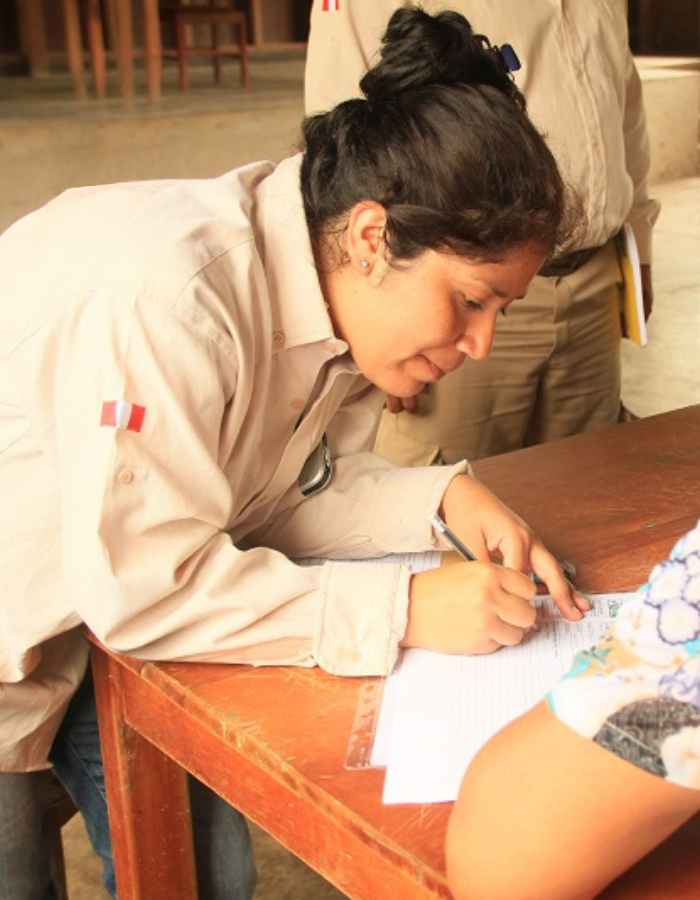
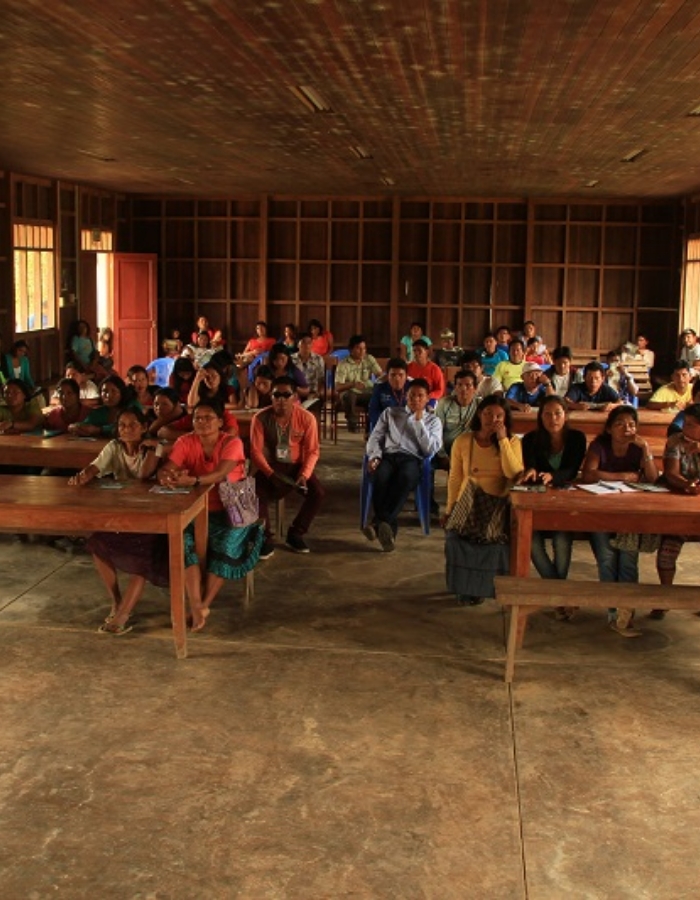
Participatory spaces—in-person or virtual, in Spanish or indigenous languages—to communicate the scope, impacts, and benefits of the project to communities and authorities in a clear and culturally appropriate manner.
When is it required?
- During the citizen participation stage of the environmental impact assessment process.
- In land acquisition or resettlement contexts, to explain to owners and occupants their rights, the valuation process, compensation criteria, and the stages of direct negotiation.
- When the project operates in territories with peasant or native communities, and compliance with the informative stages prior to a Prior Consultation process is required.
- To manage social conflict in areas with a history of tension.
4. Conflict Negotiation and Mediation
Specialized facilitation of dialogue between the project proponent and communities, owners, or organizations with active demands or disputes, through conflict diagnosis, dialogue tables, and formalization of agreements, with an intercultural approach.
When is it required?
- In the face of active social opposition that paralyzes or threatens operations or construction progress.
- In stalled land negotiations or in response to formalized complaints before OEFA, ANA, or OSINERGMIN.
- In territories with multiple stakeholders with conflicting interests that require a third-party facilitator.